
Solar power plants offer numerous benefits, from environmental to economic, that make them an attractive option for energy production. Solar energy is playing an increasingly important role in the global energy landscape as technology advances and the need to reduce costs. Governments can also help mitigate climate change and preserve natural resources for future generations by using renewable energy sources such as solar energy
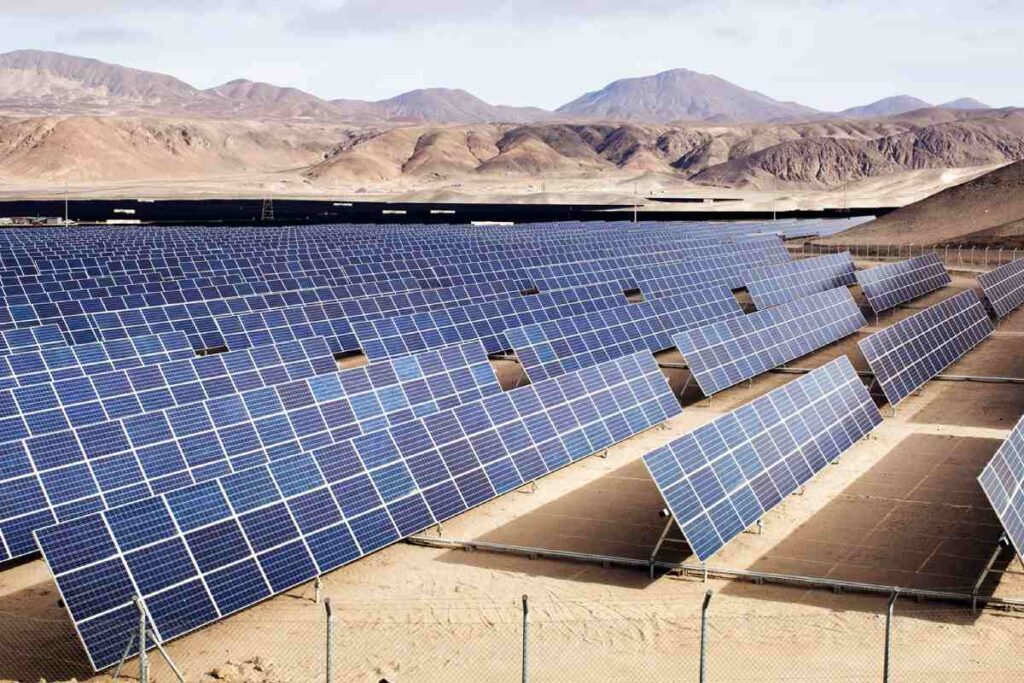
1.Environmental friendliness
Environmental friendliness is one of the most important advantages of solar power plants. Unlike other fuels, solar energy does not produce harmful byproducts and helps reduce pollution and greenhouse gas emissions.
2.Renewable energy source
Solar energy is a renewable energy source that is continuously generated by its source, the sun. The inexhaustible source of solar power ensures a stable and long-term supply of energy. This advantage is especially important as global energy demands continue to increase, necessitating the need for sustainable and reliable energy sources.
3.Reduce dependence on fossil fuels
Using solar energy reduces our dependence on fossil fuels and preserves these valuable resources for future needs. In this shift to using solar power plants instead of fossil fuel power plants, solar power plants not only help conserve natural resources but also reduce the harms associated with dependence on fossil fuels.
4.Low Maintenance
Solar power plants require minimal maintenance, making them an economically viable option. Once installed, they only require occasional cleaning and routine inspections, resulting in significant savings in operating costs over the years.
5.Long lifespan
The energy generation process of solar panels, which are the main component of solar power plants, typically has a useful life of 25 to 30 years. This long lifespan means that the benefits of solar energy, such as reduced electricity bills and environmental impact, can be enjoyed for many years.
6.Diversifies the energy portfolio
Incorporating solar energy into a country’s energy portfolio increases energy security and reduces reliance on imported fuels.
7.Eligible for Government Incentives
Many governments around the world offer incentives such as tax credits and rebates for installing solar power plants. These incentives make solar power more affordable and accessible, leading to its widespread adoption by individuals.
8.Supporting the local economy
The solar industry is a growing sector that creates jobs in its production, installation, and maintenance. By investing in solar power plants, the local economy is strengthened and contributes to the growth of the country’s overall economy.
9.Reduce greenhouse gas emissions
Solar power plants do not produce greenhouse gases during operation. Solar energy brings a healthier environment and a sustainable future by reducing greenhouse gas emissions.
10.Scalability Solar power plants can be
produced at different scales, from small residential installations to large-scale facilities, making them versatile and adaptable to different energy needs.
11.Generating electricity in remote areas
Solar power plants can be built in remote areas where expanding the electricity grid is expensive or impractical. Solar power plants provide electricity to communities that are disadvantaged and in need.